Attempting to cut off a skin tag with scissors at home is extremely dangerous due to the high risk of severe infection, uncontrolled bleeding, significant pain, and permanent scarring. More critically, what appears to be a simple skin tag could be a more serious growth, such as skin cancer, and attempting self-removal prevents a crucial professional diagnosis. Always consult a healthcare provider for safe and effective skin tag removal.
Article Contents
What Exactly Is a Skin Tag (Acrochordon)?
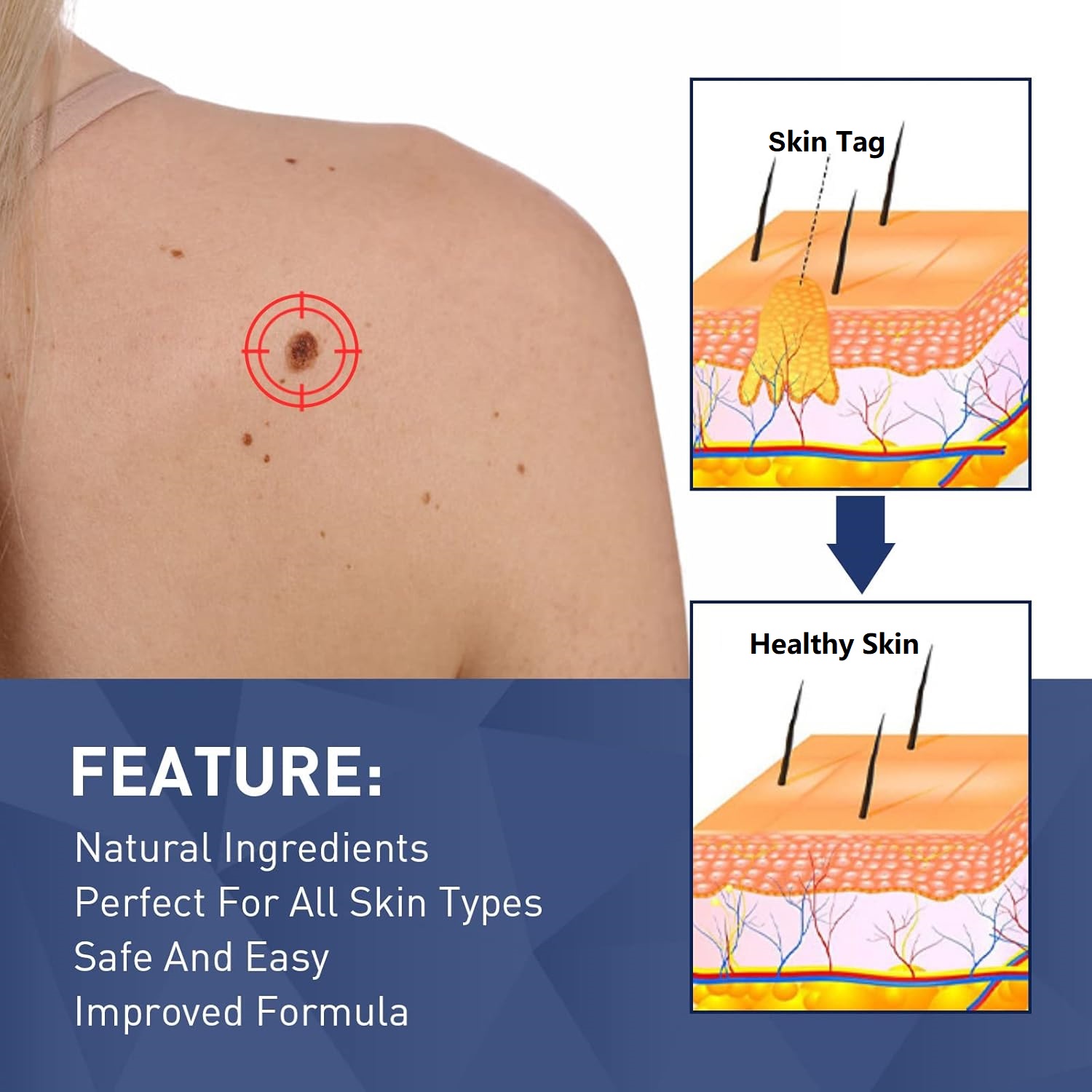
Skin tags, medically known as acrochordons, are small, soft, benign skin growths that hang off the skin. They are incredibly common and are typically composed of loose collagen fibers, blood vessels, and skin cells all encased in an outer layer of epidermis. They often appear in areas where skin rubs against skin or clothing, such as the neck, armpits, groin, and under the breasts. It’s crucial to understand that even though they are small, each skin tag is connected to your body by a stalk, or peduncle, which contains its own nerve endings and blood supply.
This blood supply is a key reason why simply snipping one off is a bad idea. Unlike a piece of dead skin, a skin tag is a living part of your integumentary system. It is not an isolated, inert blemish; it is an active piece of tissue. Thinking of it as something you can just trim away without consequences is a fundamental misunderstanding of its biological structure.
The Allure of DIY Removal: Why Is It So Tempting?
The temptation to deal with a skin tag at home is understandable. These growths can be annoying, catching on jewelry or clothing, or they may be in a visible location that makes you feel self-conscious. The idea of a quick, “free” fix with a pair of scissors from the bathroom cabinet seems like an easy solution. People often resort to do-it-yourself methods believing they are saving time and money by avoiding a visit to a dermatologist.
However, this perceived convenience is a mirage that masks a multitude of serious risks. The few dollars saved by not seeing a professional are insignificant compared to the potential cost of treating a severe infection, managing a deep scar, or, in the worst-case scenario, missing a diagnosis of a dangerous medical condition. What seems like a simple snip can quickly escalate into a complex medical problem.
Why Using Scissors for Skin Tag Removal Is a Dangerous Idea
Reaching for scissors, nail clippers, or any other sharp household object to remove a skin tag is a gamble with your health. The potential complications far outweigh any perceived benefit. Here are the primary reasons why this is a hazardous practice.
The High Risk of Severe Infection
Your household scissors are not sterile surgical instruments. Even if you attempt to “clean” them with rubbing alcohol, they are still covered in microscopic bacteria. When you cut your skin, you create an open wound—a direct gateway for these bacteria (like Staphylococcus) to enter your bloodstream. This can lead to a localized infection, characterized by redness, swelling, pus, and pain.
In more serious cases, the infection can spread, leading to cellulitis, a painful bacterial skin infection that can become systemic and life-threatening if not treated with antibiotics. The risk is simply not worth it. A medical professional uses sterilized equipment in a controlled environment for a reason: to protect you.
The Problem of Uncontrolled Bleeding
As mentioned, every skin tag has its own blood supply. When you cut the stalk, you are severing a blood vessel. While some skin tags may only bleed a little, others, particularly larger ones, can bleed profusely. Trying to stop this bleeding at home can be difficult and stressful. You may not be able to apply adequate pressure, especially if the skin tag is in an awkward location like your back or under your arm.
A dermatologist, on the other hand, is prepared for this. They use methods like cauterization to instantly seal the blood vessel as the tag is removed, preventing any significant blood loss. Without these tools, you are left with an open, bleeding wound that is difficult to manage and prone to infection.
The Certainty of Pain and Potential for Scarring
Skin tags contain nerve fibers. Cutting one off without any anesthetic is guaranteed to be painful. But the discomfort doesn’t stop there. When your body heals from an uncontrolled wound, it often produces excessive scar tissue. An improper cut can easily lead to a permanent, discolored, or raised scar that is far more noticeable and cosmetically displeasing than the original skin tag ever was.
Professional removal techniques are designed to be precise and minimize tissue damage, which in turn leads to minimal or no scarring. A clean, expertly managed removal process results in a much better aesthetic outcome. You might trade a tiny, harmless tag for a large, permanent scar.
The Likelihood of Incomplete Removal and Regrowth
It’s very difficult to precisely cut the skin tag at its base with a pair of scissors. More often than not, a small part of the stalk is left behind. This remnant of the original tissue can not only heal but can also lead to the skin tag regrowing. Sometimes, the regrown tag can be larger, more irritated, or more irregularly shaped than the original, making the entire painful exercise pointless.
Professionals ensure the entire growth is removed from the base, preventing recurrence and ensuring a smooth, final result. They have the right tools and a clear line of sight to do the job correctly the first time.
The Most Critical Danger: The Risk of Misdiagnosis
This is, without a doubt, the most significant risk of at-home removal. While most skin tags are benign, not every new growth on your skin is a skin tag. Some dangerous conditions can masquerade as harmless blemishes. By taking matters into your own hands, you forfeit the opportunity for a trained medical professional to examine the growth.
A dermatologist doesn’t just remove a growth; they first identify it. This diagnostic step is a critical part of the process and your long-term health. Cutting off a suspicious lesion at home destroys the evidence that a pathologist would need for a biopsy and could delay the diagnosis of a serious condition until it has progressed.
Could That “Skin Tag” Be Something More Serious?
Yes. Several other types of skin growths can be mistaken for a simple skin tag. These include:
- Nodular Melanoma: A particularly aggressive form of skin cancer that can appear as a firm, dome-shaped lump. It can look very similar to a skin tag, especially in its early stages.
- Neurofibromas: Benign nerve-sheath tumors that present as soft, fleshy growths and can be associated with the genetic condition neurofibromatosis.
- Genital Warts: Caused by HPV, these can sometimes look like skin tags, especially when they appear in the groin area.
Only a trained medical professional can differentiate between these growths. Self-diagnosing and self-treating is a dangerous gamble with potentially devastating consequences.
What Are the Safe and Professional Alternatives to At-Home Removal?
When you seek professional help, you are not just paying for removal; you are paying for safety, expertise, and peace of mind. A practitioner will diagnose the growth and then recommend the best method for its removal.
| Feature |
DIY Scissor Removal |
Professional Removal |
| Safety |
High risk of infection, bleeding, and misdiagnosis. |
Performed in a sterile environment by a trained expert. |
| Pain |
No anesthetic; guaranteed to be painful. |
Local anesthetic used; minimal to no pain. |
| Scarring |
High likelihood of a permanent, unsightly scar. |
Minimal to no scarring due to precise techniques. |
| Effectiveness |
Often incomplete, leading to regrowth. |
Complete removal with low chance of recurrence. |
| Diagnosis |
None. Risk of removing a cancerous growth. |
Crucial diagnostic step included. Biopsy if needed. |
Cryotherapy: Freezing the Growth
In cryotherapy, a dermatologist applies liquid nitrogen to the skin tag. The extreme cold freezes the tissue, destroying the cells. The skin tag will then shrivel and fall off on its own within one to two weeks. It’s a quick and effective procedure for smaller tags.
Electrocautery: Using Heat to Remove
Also known as electrodessication, this method uses a small probe to transmit an electric current to the skin tag. The heat from the current burns and destroys the tissue while simultaneously cauterizing the blood vessel, preventing bleeding. The tag is removed instantly.
Surgical Excision: The Classic Approach
For larger skin tags or those with a thick stalk, a doctor may opt for surgical excision. After numbing the area with a local anesthetic, they will use a sterile scalpel or surgical scissors to cleanly cut the tag away at its base. This method ensures complete and precise removal.
A Modern, Non-Invasive Solution: Plasma Pen Technology
One of the most advanced techniques available is the use of a plasma pen. Devices like the Teseu Plasma Pen utilize the power of plasma—the fourth state of matter—to achieve remarkable results. The pen’s tip creates a tiny plasma arc that sublimates the skin tissue on contact, essentially turning the solid skin tag into a gas. This process is incredibly precise, affecting only the targeted growth without damaging surrounding skin.
This non-invasive method is highly effective, minimizes bleeding by cauterizing as it works, and significantly reduces the risk of scarring compared to more traditional cutting methods. When you consult your practitioner, ask them about modern aesthetic technologies for the safest and most effective results.
When Should You See a Doctor About a Skin Tag?
While most skin tags are harmless, you should always consult a doctor if you notice a new skin growth. It is especially important to seek medical advice if the growth:
- Changes in color, size, or shape
- Is multi-colored (e.g., black, brown, red)
- Has an irregular border
- Bleeds, itches, or becomes painful
- Is located in an area of constant irritation
A professional evaluation provides peace of mind and ensures that what you have is truly just a skin tag. If you simply want it removed for cosmetic reasons, a doctor can still offer the safest path forward.
The Teseu Commitment to Safe Aesthetic Solutions
Your skin deserves expert care. The impulse to quickly solve a cosmetic issue at home is strong, but the risks associated with DIY procedures are undeniable. At Teseu, we champion safe, effective, and professional aesthetic treatments. Our development of advanced devices like the Teseu Plasma Pen is driven by a commitment to empowering practitioners with tools that deliver superior results with the highest standards of safety.
Choosing professional skin tag removal is an investment in your health, safety, and appearance. By entrusting your skin to a qualified expert who may use cutting-edge technology, you ensure a correct diagnosis, a painless procedure, and a cosmetically elegant outcome, free from the dangers of infection, bleeding, and scarring.