





Warts are one of the most common skin concerns affecting both children and adults. Although they are usually harmless, they can be frustrating, uncomfortable, and sometimes embarrassing — especially when they appear on visible areas such as hands, fingers, or the face.
The good news is that most warts can be treated effectively with the right approach. Today, many people are looking for convenient and gentle solutions for wart removal at home, avoiding frequent clinic visits while still achieving healthy-looking skin.
In this guide, we explain how to get rid of warts, why they appear, the different types of warts, available treatment options, and how to use wart removal products safely.
Table of Contents
- What Are Warts and Why Do They Appear?
- Different Types of Warts
- Can Warts Disappear Naturally?
- Common Wart Removal Methods
- Why Choose Wart Removal at Home?
- How to Use Wart Removal Liquid Safely: Step-by-Step Guide
- How Long Does Wart Removal Liquid Take to Work?
- How to Prevent Warts From Spreading?
- When Should You See a Healthcare Professional?
- Expert Perspective: Choosing a Gentle but Effective Wart Treatment
- Frequently Asked Questions About Wart Removal
- Final Thoughts: Finding the Right Way to Get Rid of Warts
What Are Warts and Why Do They Appear?
Warts are small, non-cancerous skin growths caused by certain types of the human papillomavirus (HPV). When HPV enters the skin through tiny cuts or breaks, it can trigger extra skin cell growth, creating a rough, raised area.
According to the UK’s National Health Service (NHS), warts are common and often disappear naturally over time as the immune system recognises and fights the virus. However, natural disappearance can take months or even years. For many people, especially those with persistent or uncomfortable warts, active treatment can help speed up the process.
Common factors that may increase the likelihood of developing warts include:
- Small cuts or damaged skin
- Frequent contact with contaminated surfaces
- A weakened immune response
- Sharing personal items such as towels or razors
Understanding the cause of warts is the first step towards choosing the right wart treatment.
Different Types of Warts
Before choosing a treatment, it is important to understand the type of wart you have.
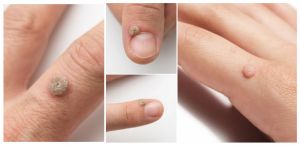
Common Warts
Common warts usually appear on:
- Fingers
- Hands
- Around nails
They often have a rough, uneven surface and may feel hard to touch.
Plantar Warts (Verrucas)
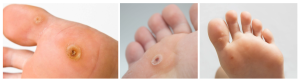
Plantar warts, known as verrucas in the UK, develop on the soles of the feet.
Unlike common warts, verrucas often grow inward because of pressure from walking. They have tiny black dots under the hard skin. They may cause discomfort or pain when standing.
Many UK consumers search specifically for:
- verruca treatment
- verruca removal
- how to get rid of verrucas
because foot warts can affect daily activities.
Flat Warts
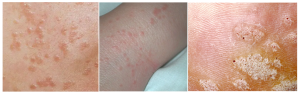
Flat warts are smaller and smoother than common warts. They often appear in groups on areas such as:
- The face
- Arms
- Legs
Different wart types may respond differently to treatments, so identifying the type can help you choose the most suitable option.
Can Warts Disappear Naturally?
A common question is:
“Will my wart go away on its own?”
The answer is: sometimes.
The immune system can eventually clear the HPV infection responsible for warts. However, the timeline varies greatly. Some warts disappear within months, while others remain for several years.
Factors affecting how long a wart lasts include:
- The location of the wart
- The size and thickness of the wart
- Individual immune response
- Previous treatment attempts
For people who prefer faster results, wart removal at home can be a practical option.
Common Wart Removal Methods
There are several approaches available for removing warts. The best option depends on your skin type, wart location, personal preference, and treatment goals.
1. Wart Removal Liquid
Many over-the-counter wart treatments contain active ingredients designed to gradually remove the thickened skin layer. A commonly used ingredient is acid, which works by softening and breaking down the hardened skin cells that form the wart.
Benefits of wart removal liquid include:
- Convenient home application
- No appointment required
- Suitable for many common warts
- Easy to include in a daily skincare routine
Consistency is important. Most treatments require repeated application over several weeks.
2. Cryotherapy (Freezing Treatment)
Cryotherapy uses extremely cold temperatures to freeze the wart tissue. Professional cryotherapy is available through healthcare providers, while some home freezing products are also available.
Potential advantages:
- Quick treatment sessions
- Suitable for some stubborn warts
- Potential disadvantages:
- May cause temporary discomfort
- May require multiple treatments
- Not always suitable for sensitive skin areas
3. Professional Medical Treatment
A healthcare professional may recommend other treatments for persistent or difficult-to-treat warts.
These may include:
- Prescription-strength treatments
- Clinical procedures
- Specialist dermatology options
If a wart changes appearance, bleeds, becomes painful, or you are unsure whether it is a wart, medical advice should be sought.
Why Choose Wart Removal at Home?
For many people, home treatment provides a balance between effectiveness, convenience, and affordability. A well-formulated wart removal at home solution allows users to treat warts privately and comfortably without disrupting their daily routine.
Key benefits include:
1. Convenience
Home treatments can be applied according to your own schedule.
2. Cost-effectiveness
Compared with repeated clinic visits, over-the-counter options can be more accessible.
3. Personal care experience
Many consumers prefer solutions that fit naturally into their existing skincare habits. However, successful treatment depends on choosing a suitable product and following instructions carefully.
How to Use Wart Removal Liquid Safely: Step-by-Step Guide
Correct application plays an important role in treatment success.
Step 1: Clean the Area
Wash the affected area gently and dry thoroughly. Clean skin helps ensure better product contact.
Step 2: Protect Surrounding Skin
Avoid applying treatment to healthy skin around the wart unless the product instructions recommend otherwise. Some active ingredients may cause irritation.
Step 3: Apply as Directed
Follow the instructions provided with your chosen wart removal liquid. Avoid using more product than recommended, as excessive application does not necessarily improve results and may increase irritation.
Step 4: Be Patient and Consistent
Warts usually develop over time, so they often require consistent treatment. Stopping too early may reduce effectiveness.
How Long Does Wart Removal Liquid Take to Work?
One of the most common questions from consumers is:
“How long does wart remover take to work?”
The answer depends on:
- Wart size
- Wart location
- Skin condition
- Treatment consistency
Some users may notice gradual changes within several weeks, while larger or thicker warts may require longer treatment periods. Signs that treatment may be progressing include:
- The wart becoming softer
- Reduced thickness
- Gradual peeling of treated skin
Avoid picking or cutting warts yourself, as this may irritate the skin and potentially spread the virus.
How to Prevent Warts From Spreading?
Because warts are caused by HPV, they can spread through direct contact or contaminated surfaces.
To reduce the risk:
- Avoid scratching or picking warts
- Wash hands regularly
- Do not share towels, nail tools, or personal items
- Keep feet dry in shared areas such as swimming pools and changing rooms
- Cover warts when appropriate
These simple habits can support healthy skin protection.
When Should You See a Healthcare Professional?
Although most warts are harmless, professional advice is recommended if:
- You are unsure whether the growth is a wart
- The wart changes colour, shape, or appearance
- It becomes painful or bleeds
- It appears on sensitive areas
- You have a condition affecting your immune system
Healthcare professionals can provide personalised advice and confirm the correct diagnosis.
Expert Perspective: Choosing a Gentle but Effective Wart Treatment
From a skincare and consumer health perspective, the ideal wart treatment should balance effectiveness with skin comfort. Modern consumers increasingly look for products that are:
- Easy to use
- Supported by science
- Made with carefully selected ingredients
- Suitable for home routines
A “Rooted in Nature, Backed by Science” approach means combining responsible ingredient selection with evidence-informed formulation principles. The goal is not only removing visible warts but also supporting a positive skincare experience throughout the treatment journey.
Frequently Asked Questions About Wart Removal
Q1: Are warts contagious?
Yes. Warts can spread through direct contact or shared surfaces. Avoid touching or picking them unnecessarily.
Q2: What is the fastest way to get rid of warts?
There is no single fastest solution for everyone. Treatment effectiveness depends on wart type, size, and consistency of use.
Q3: Is wart removal liquid safe?
When used according to product instructions, many over-the-counter wart treatments are considered suitable for home use. Always read the label carefully.
Q4: Can I remove a wart overnight?
Most warts cannot be removed overnight. Effective treatment usually requires patience and consistent application.
Final Thoughts: Finding the Right Way to Get Rid of Warts
Knowing how to get rid of warts starts with understanding your skin, identifying the type of wart, and choosing a suitable treatment approach.
For many people, wart removal at home provides a convenient way to manage common warts as part of a regular self-care routine.
By combining science-backed ingredients, responsible usage, and good skin hygiene habits, you can take practical steps towards smoother, healthier-looking skin.
[Medical References]
- NHS (UK): Information on warts and verrucas
- American Academy of Dermatology (AAD): Wart treatment guidance
- Mayo Clinic: Overview of common warts and treatment approaches
Disclaimer: This article is for informational purposes only and does not constitute medical advice. Always consult your GP or pharmacist before starting any treatment, especially if you have diabetes, circulatory issues, or are unsure about your skin condition.